Alibaba bans Claude Code over alleged backdoor risks
Alibaba is banning employees from using Anthropic's Claude Code over alleged backdoor risks
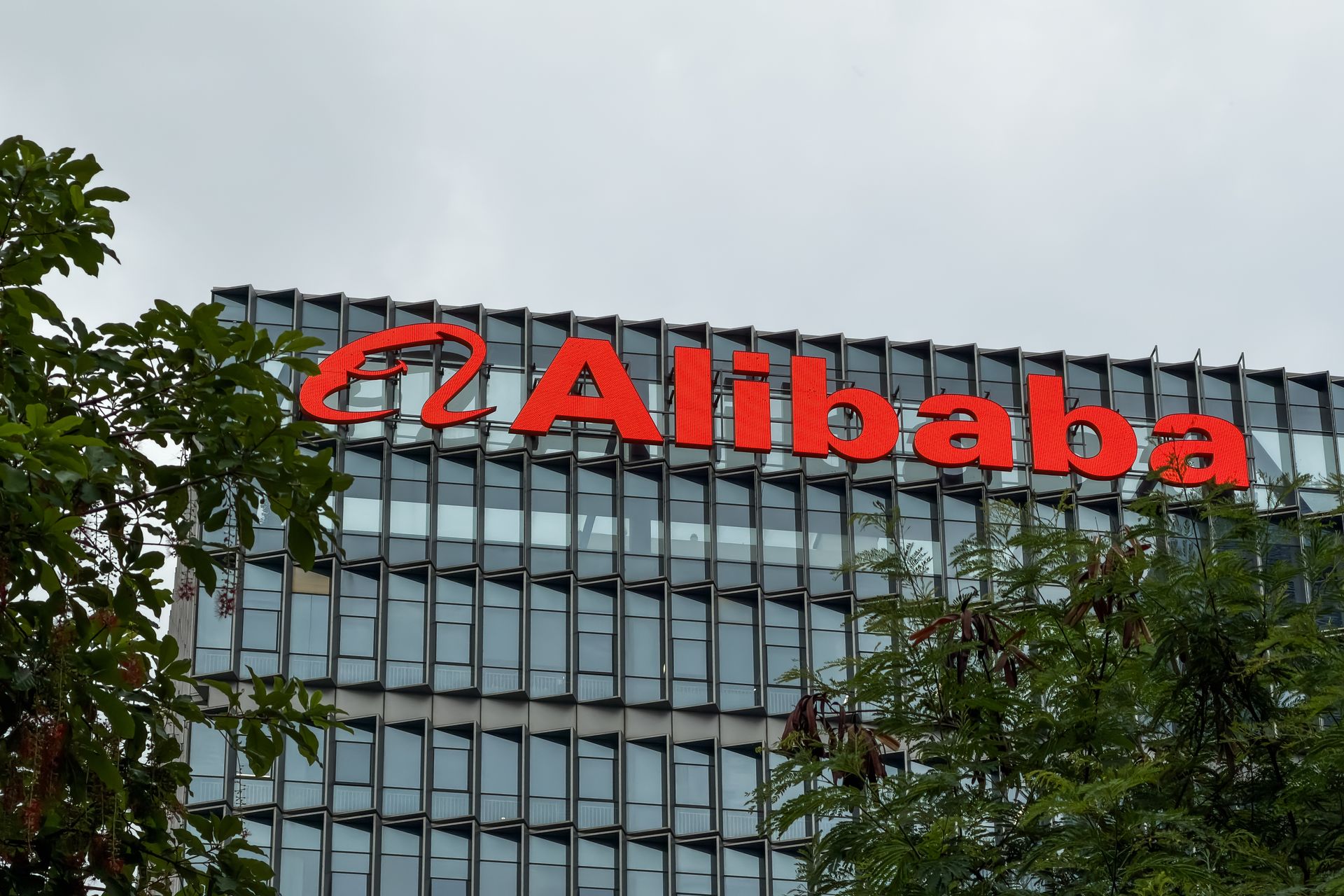
Alibaba has told employees to stop using Anthropic's Claude Code because of security concerns. Hidden code in the software could track if a user was in China or linked to a Chinese AI lab, according to Reuters. Starting July 10, employees must use Alibaba's own coding platform, Qoder.
"As Claude Code was recently discovered to carry back-door risks, after comprehensive evaluation, Claude Code has now been added to a list of high-risk software with security vulnerabilities," Alibaba said in an internal notice seen by the South China Morning Post.
The move came after security researchers shared findings on Reddit and GitHub, revealing that a version of Claude Code had been built to examine users' local environments — things like timezone settings and proxy configurations — and quietly embed identifying markers in the data transmitted to Anthropic. Anthropic already prohibits Chinese companies and foreign entities owned by those companies from using its models.
Get GoPeek
Preview links without opening tabs. Available on Edge and Firefox. Chrome support coming soon.


On X, Thariq Shihipar — who works at Anthropic — described the behavior as "an experiment we launched in March that was meant to prevent account abuse from unauthorized resellers and protect against distillation," according to TechCrunch. "The team has landed stronger mitigations since then and we've actually been meaning to take this down for a while," Shihipar said.
The ban arrives amid a broader dispute between the two companies. Anthropic accused Alibaba last month of conducting what it described as the largest known distillation attack on its models to date. In a June 10 letter to two U.S. senators, Anthropic said entities affiliated with Alibaba used roughly 25,000 fraudulent accounts to run nearly 28.8 million exchanges with its models over approximately six weeks. Distillation involves training a weaker model on the outputs of a more powerful one, allowing developers to replicate capabilities without building from scratch.
Anthropic said that distillation effort targeted capabilities including agentic reasoning, software engineering proficiency, and long-horizon task completion. The company urged Washington to pursue stricter semiconductor export restrictions and impose penalties on AI developers caught running distillation operations.
A source cited by Reuters noted that enforcing Anthropic's access restrictions against individuals is difficult, since anyone can spin up a U.S.-based server to disguise where their traffic originates — but organizations like Alibaba are far more sensitive to the legal and compliance consequences of violating such terms. Alibaba has not publicly responded to Anthropic's distillation accusations.
Get GoPeek
Preview links without opening tabs. Available on Edge and Firefox. Chrome support coming soon.
%20(1).png)

Comments
Post a Comment